Leftovers only save money if they turn into a meal people will actually eat. The USDA says the average American family of four loses about $1,500 a year to uneaten food. In many homes, the issue is not just buying too much. It is repeat fatigue: last night’s chicken, rice, or roasted vegetables feel too familiar to win a second dinner slot. The fix is not a complicated recipe. It is a simple system for changing the shape, texture, flavor, and base of what is already in your fridge. (usda.gov)
TL;DR
- Use the 3-of-4 Flip Rule: change at least three of these four things – format, texture, flavor profile, and budget base – to make leftovers feel like a new dinner.
- The cheapest way to stretch leftovers is usually to add low-cost carriers such as beans, eggs, rice, potatoes, pasta, tortillas, or frozen vegetables.
- Store leftovers promptly, keep the refrigerator at 40°F or below, use cooked leftovers within 4 days, and reheat to 165°F. (fda.gov)
- Track the add-on cost against the takeout or grocery run you avoided. That is how you tell whether a leftover dinner is really saving money.
This article is general information, not medical or dietary advice. If food sat out longer than 2 hours, or 1 hour when the temperature is above 90°F, skip the reinvention. If your household includes an older adult, a child under 5, a pregnant person, or someone with a weakened immune system, be more conservative with leftovers. (fda.gov)
Why most leftovers fail
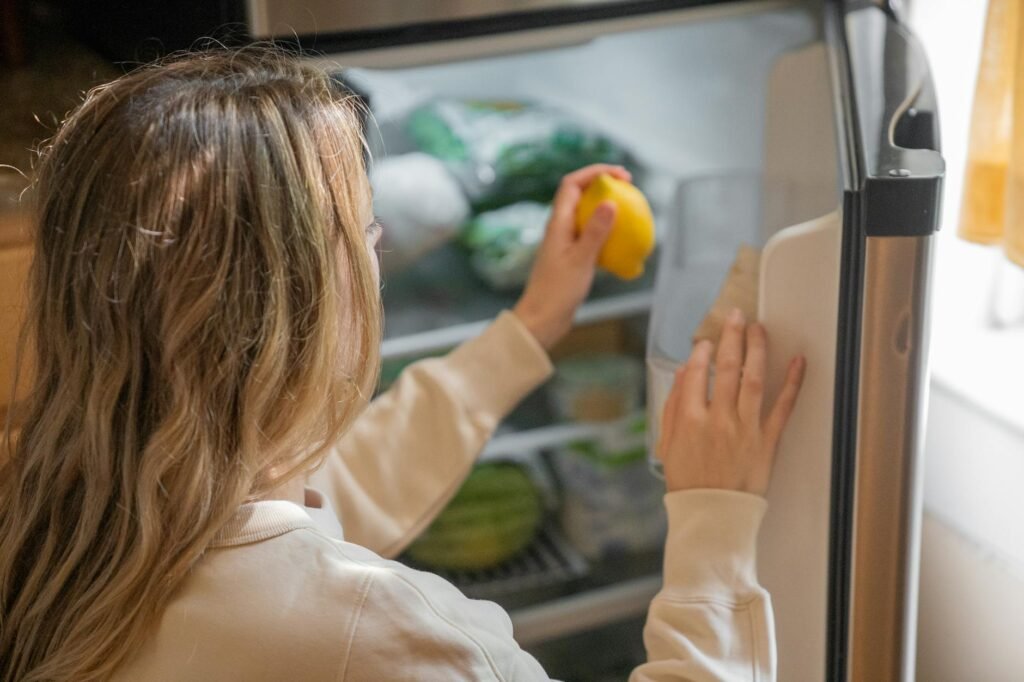
Most people try to save leftovers by repeating the original plate. That works sometimes, but it falls apart fast. A plain container of rice, a few slices of pork, and half a tray of roasted vegetables do not look like dinner; they look like fragments. Then the household buys new ingredients or orders takeout while the leftovers slide toward the back of the fridge. The FDA says confusion over date labeling accounts for an estimated 20 percent of consumer food waste. Reinvention works because it turns fragments into a recognizable dinner format before the food starts to feel old. (fda.gov)
The 3-of-4 Flip Rule
This is how you can swap out elements of a dish to make it feel different after reheating it. For example, a lemon-herb chicken could be transformed into chili-lime tostadas if the chicken was shredded and then crisped, the presentation changed from a plated dinner to taco night, and black beans and tortillas used as the base instead. This process of flipping four variables would give you a completely different dinner.
- Format: Move the food into a different dinner structure such as tacos, fried rice, soup, hash, quesadillas, grain bowls, pasta tosses, or frittatas.
- Texture: Shred, chop, crisp, mash, or simmer. A texture change is often more important than extra sauce.
- Flavor profile: Shift hard in a new direction. Herb-roasted becomes taco-spiced, soy-ginger, curry, barbecue, or garlic-lemon.
- Budget base: Add the cheapest ingredient that gives the meal bulk and identity – beans, eggs, rice, potatoes, pasta, tortillas, or frozen vegetables.
Dinner will often taste the same as leftovers when only sauce is used to change it. Flavor changes occur much more when the texture and shape are altered first. The first-night meal should be fairly neutral since many other types of food such as roast chicken, plain rice, beans, potatoes, pasta, and roasted vegetables can be redirected much more easily than delicate seafoods and heavily dressed salads.
Start with safety, not a sauce
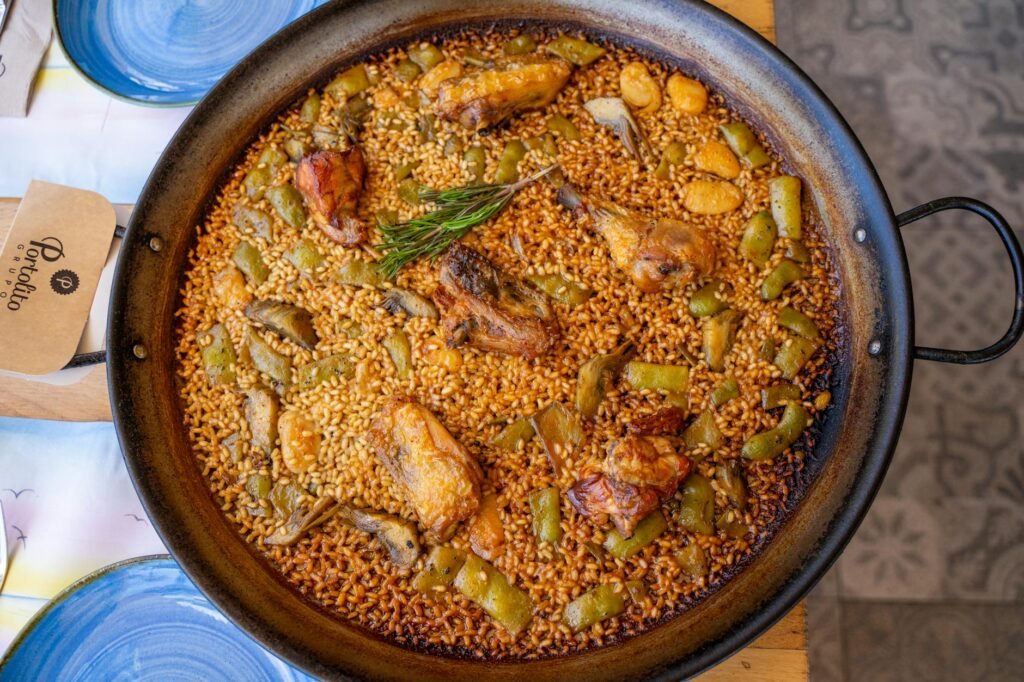
Before you decide whether leftover rice becomes fried rice or soup, check time and temperature first. The FDA recommends keeping refrigerators at 40°F or below. FoodSafety.gov says cooked leftovers should be chilled promptly, used within 4 days, and reheated to 165°F. If perishable food has been at room temperature for more than 2 hours, or more than 1 hour when the temperature is above 90°F, discard it. (fda.gov)
Do not use the package date as your main test for leftover safety. The USDA and FDA both note that, except for infant formula, date labels generally speak to quality, not safety. For leftovers in home containers, the date that matters is when you cooked or stored the food, not the stamped date that was once on the package. Labeling containers with the contents and the date is a small habit that cuts both waste and wishful thinking. If you are unsure about a specific item, FoodSafety.gov’s FoodKeeper app is a better tie-breaker than guessing. (fsis.usda.gov)
A 15-minute reinvention routine
- Pick one anchor leftover. Start with the biggest or most perishable item, not the one you feel most excited about.
- Choose a new dinner format from a short list: taco, fried rice, grain bowl, soup, pasta toss, quesadilla, hash, or frittata.
- Change the texture on purpose. Shred meat, chop vegetables smaller, crisp rice in a skillet, mash potatoes into cakes, or simmer dry meat with broth.
- Using the ingredients available in your pantry can help you create new flavors! For example, try:
Tacos: Chili powder, cumin and lime.
Soy and ginger: Soy sauce, garlic and ginger.
Curry: Curry powder or paste, yogurt or coconut milk.
Garlic and lemon: Butter or olive oil, garlic, lemon and parmesan. - Add the cheapest extender that fits the format. Beans for tacos, eggs for hashes and frittatas, rice for bowls, pasta for saucy vegetables, potatoes for skillet meals, frozen vegetables for bulk.
- Reheat only what you will serve. If the rest will not be eaten within the safe window, freeze it now, not after another dinner delay. USDA materials recommend freezing leftovers within 3 to 4 days if you will not finish them in time. (usda.gov)
The cheapest bases that make leftovers feel new
| Starting leftover | Best reset dinner | Low-cost add-ins | Est. add-on cost | Why it feels new |
|---|---|---|---|---|
| Roast chicken or turkey | Crispy tacos or tortilla soup | Black beans, tortillas, salsa, onion | $4-$8 | Shredding and chili-lime seasoning erase the original plate |
| Cooked rice | Fried rice, rice patties, or soup | Eggs, frozen vegetables, soy sauce | $3-$6 | The texture shift does most of the work |
| Roasted vegetables | Frittata or quesadillas | Eggs or cheese, tortillas, herbs | $3-$7 | The vegetables become a filling instead of a side |
| Meatballs, burger patties, or roast beef | Skillet hash or chopped pita wraps | Potatoes or flatbread, yogurt sauce | $4-$8 | Chopped meat reads as an ingredient, not a rerun |
| Mashed potatoes | Potato cakes with eggs or shepherd’s pie skillet | Eggs, frozen peas, shredded cheese | $3-$7 | Crisping fixes the soft texture |
| Cooked pasta | Baked pasta cups or sesame noodle stir-fry | Egg, breadcrumbs, vegetables, sauce | $3-$8 | A new sauce direction and shape do the reset |
A real household example: $6.38 turns leftovers into dinner for four
Envision a Family of Four that has cooked Sheet-Pan Chicken Thighs with Roasted Broccoli and Rice. On Sunday, after eating, 12 oz of Cooked Chicken, two cups of cooked rice, and one and a half cups of steamed broccoli are stored in the refrigerator. The cooked chicken arid broccoli do not make up four entrees when divided by how much chicken there is, but there is enough of each disposed to use in a skillet meal rather than thinking of the food leftover on your plates as being entrée size portions.
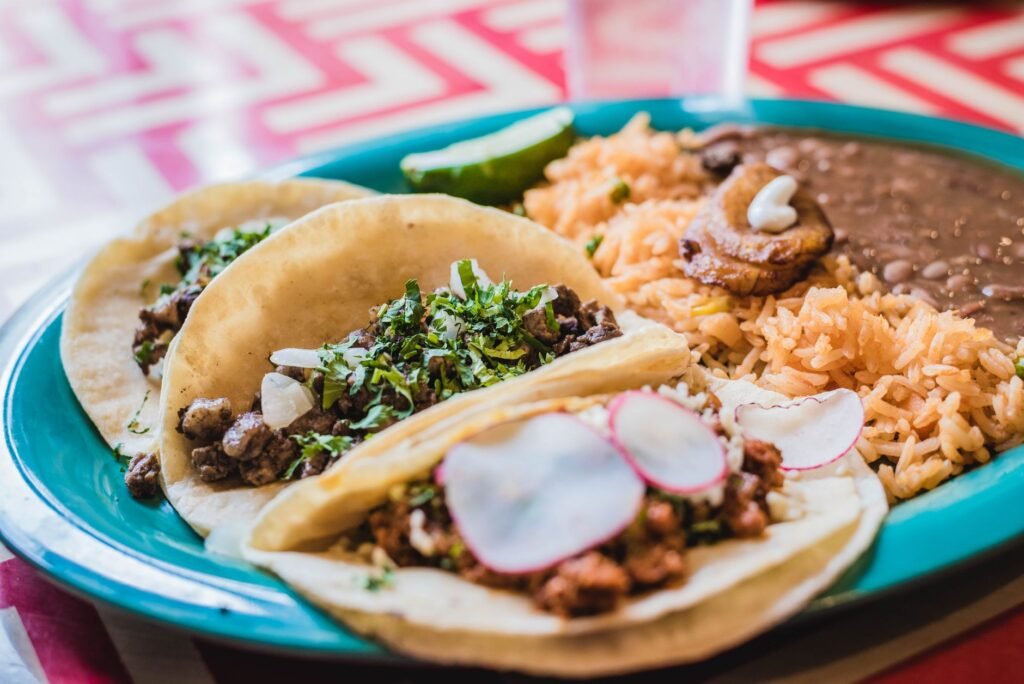
On Monday, they add one can of black beans ($1.09), half a package of tortillas ($1.50), a cup of shredded cheese ($1.55), half an onion ($0.35), salsa ($1.10), and a lime ($0.79). Total add-on cost: $6.38. The chicken gets shredded and crisped with chili powder, the broccoli gets chopped into the bean mixture, and the rice becomes the base of quick burrito bowls with toasted tortilla strips. If the alternative was four $11 takeout bowls before tax and tip, the leftover version avoids roughly $37 in dinner spending while also using food that might otherwise have been thrown out.
What matters isn’t the particular food that’s eaten but rather how the food can be put together. Adding leftover meat functions like spicing up the dish because the beans/rice provide mass, and the burrito bowl looks different from the same sheet-pan dinner. Therefore, when you’re eating the same meal, you will feel like you are having an intentional meal instead of eating a redo of what you’ve just had.
Flavor resets that work on almost anything
- Taco reset: chili powder, cumin, lime, salsa, beans, tortillas.
- Garlic-lemon reset: garlic, olive oil or butter, lemon, parsley, parmesan.
- Soy-ginger reset: soy sauce, garlic, ginger, sesame oil, frozen peas or broccoli.
- Curry reset: curry powder or paste, onion, yogurt or coconut milk, rice.
- Barbecue reset: barbecue sauce, vinegar, pickles, slaw, buns or potatoes.
- Breakfast-for-dinner reset: eggs, cheese, scallions, hot sauce.
A large pantry is not required to use the leftovers method – however, having too many potential flavor directions can lead to increased costs in utilizing leftover food. Having just four (4) or five (5) flavor families will ensure you are able to recreate a new product from your leftover food.
Common mistakes that make leftovers taste like leftovers
- Changing only the sauce. Same plate plus same texture plus a new sauce still feels like a repeat.
- Trying to make a tiny amount of meat carry the whole meal. Stretch it with beans, eggs, potatoes, rice, or pasta.
- Overbuying reinvention ingredients. A frugal leftover dinner should not require a $14 shopping trip for specialty toppings.
- Reheating too long. Dry chicken and overcooked vegetables rarely improve with more heat; add a little liquid and reheat gently.
- Skipping acid and salt. A squeeze of lemon, a splash of vinegar, or a spoonful of salsa often wakes up flat food faster than extra cheese.
- Failing to label containers or keep a use-soon zone in the fridge. The EPA and FDA both recommend checking what you already have, using foods before they spoil, and labeling leftovers with dates so they get eaten instead of rediscovered too late. (epa.gov)
When reinvention is the wrong move
Leftovers should be treated as components of meals rather than entrees. For example, a half cup of roast beef works better when added to fried rice than when served sliced again. A salad that is heavily dressed after the first dinner is not likely to be a good second dinner. Creamy pasta that has dried out will likely make a better frittata than being reheated as pasta. Lastly, if the main course was heavily seasoned on the first night, it is better to complement the main course with something neutral than to try to overtake the strong flavor.
If the food is safe but uninspiring, try one backup option before giving up: freeze it as a future ingredient, turn it into lunch instead of dinner, or combine several odds and ends into soup or a grain bowl. The FDA and EPA both recommend using the freezer aggressively and planning meals around what needs to be used first. If you are staring at day four and know no one will eat it tonight, freezing is usually the smarter move. (fda.gov)
How to pressure-test whether the method is really saving you money
Do not assume every leftover dinner is a win. Audit it. Use this simple formula:
Net dinner save = avoided replacement meal cost – add-on ingredients – food still discarded.
If leftovers help you skip a $28 pizza run but you spend $9 on extra ingredients and still throw away about $4 of unused produce, your real save is $15.
- For two weeks, write down the dinner you would have bought or cooked if the leftovers did not exist.
- Record only the extra ingredients you purchased or opened for the reinvention meal.
- Mark what, if anything, still got thrown away.
- Give the dinner a household acceptance score from 1 to 5. If nobody wants to eat it, it is not a system worth repeating.
- Look for patterns. You may learn that tacos, fried rice, and frittatas work while reheated pasta never does.
By allowing you to transform vague values into measurable household habits, this also can aid in determining the true nature of your food waste, or poor meal choice, if it is due to excessive food waste, incorrect portion planning, or excessive complexity in the first night dinner options that make them not able to be reused later.
Bottom line
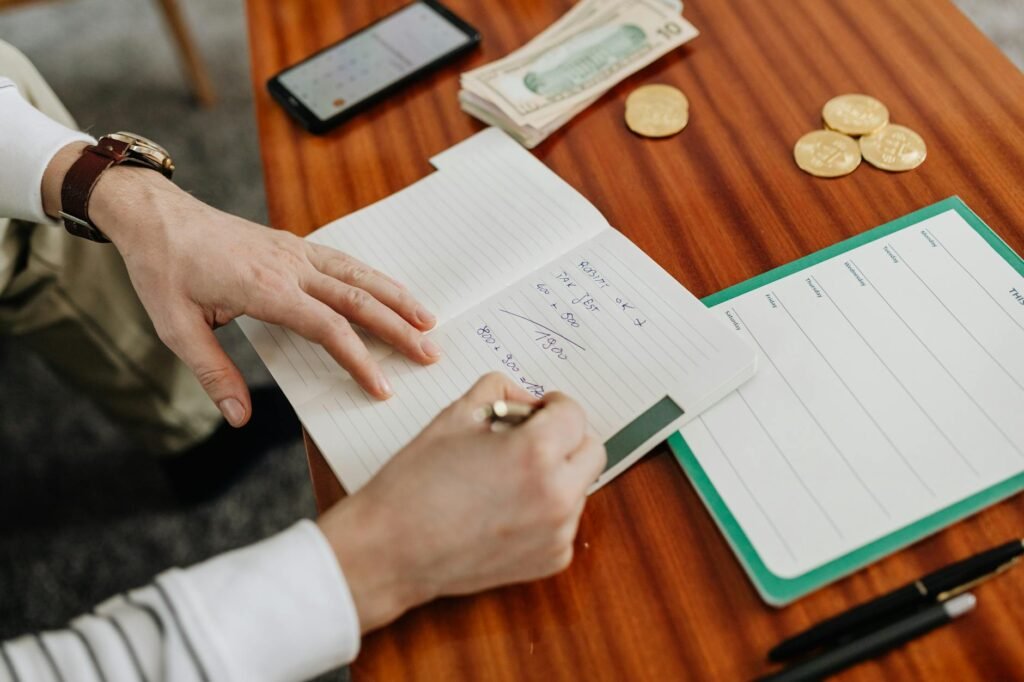
The cheapest dinner is not always the one with the lowest ingredient cost. It is the one that uses food you already paid for and turns it into something people are glad to eat. Use the 3-of-4 Flip Rule: change format, texture, flavor, and budget base, aiming to flip at least three. Then pair that with strict safety habits: chill food promptly, label it clearly, use leftovers within four days, and reheat thoroughly. Done well, leftover reinvention is less about thrift theater and more about making yesterday’s spending pay for tonight’s dinner. (foodsafety.gov)
FAQ
How long do cooked leftovers last in the fridge?
As a general rule, use cooked leftovers within 4 days, keep the refrigerator at 40°F or below, and reheat to 165°F. If the food sat out longer than 2 hours, discard it. (fda.gov)
Are “best by” or “sell by” dates the same as food safety deadlines?
Usually not. The USDA and FDA say that, except for infant formula, date labels are generally about quality, not safety. For leftovers, track the day you cooked or stored them. (fsis.usda.gov)
What are the best budget extenders for a small amount of leftover meat?
Beans, eggs, rice, potatoes, pasta, tortillas, and frozen vegetables usually stretch a small amount of meat the farthest. The trick is to treat the meat as flavor, not the centerpiece.
Should I freeze leftovers before or after turning them into a new meal?
Freeze them before the safe window closes. USDA materials recommend freezing leftovers within 3 to 4 days if you will not use them in time. In practice, freezing earlier usually preserves texture better than waiting until the food is already tired. (usda.gov)
What if someone in my household is pregnant, older, very young, or immunocompromised?
Be more conservative. FoodSafety.gov lists adults 65 and older, children under 5, pregnant women, and people with weakened immune systems as groups at higher risk of food poisoning. When in doubt, discard questionable leftovers rather than trying to save them. (foodsafety.gov)
What is the fastest way to make cooked rice feel new?
Spread it in a hot skillet to crisp, add egg and frozen vegetables, and shift the seasoning completely, such as soy-ginger or curry. With rice, texture change usually matters more than adding another sauce.
References
- USDA – More Easy Steps to Reduce Food Waste – https://www.usda.gov/sites/default/files/documents/CONSUMERS-More-Easy-Steps.pdf
- FDA – Tips to Reduce Food Waste – https://www.fda.gov/food/consumers/tips-reduce-food-waste
- USDA FSIS – Leftovers and Food Safety – https://www.fsis.usda.gov/food-safety/safe-food-handling-and-preparation/food-safety-basics/leftovers-and-food-safety
- FoodSafety.gov – People at Risk of Food Poisoning – https://www.foodsafety.gov/people-at-risk
- USDA – Food Date Labeling Infographic – https://www.usda.gov/sites/default/files/documents/USDA-Food-Date-Labeling-Infographic.pdf
- FDA – Are You Storing Food Safely? – https://www.fda.gov/consumers/consumer-updates/are-you-storing-food-safely
- EPA – Preventing Wasted Food At Home – https://www.epa.gov/recycle/preventing-wasted-food-home
- EPA – Food: Material-Specific Data – https://www.epa.gov/facts-and-figures-about-materials-waste-and-recycling/food-material-specific-data
- FoodSafety.gov – FoodKeeper App – https://www.foodsafety.gov/keep-food-safe/foodkeeper-app